SEATTLE - CloudPath Inc., known for its innovative cloud storage solutions, has mandated that cameras be on during all meetings longer than eight minutes starting Monday. The policy, described by HR as fostering "authentic disconnection," aims to ensure employees are truly present and engaged in their virtual interactions.
"Audio-only lets people secretly reorganize their pantry," said Chief Culture Officer Dana Hooper. "We need to see the human face that agrees things are fine." Hooper elaborated on how the policy would help maintain transparency and accountability, adding, "Imagine if you could tell who's really on a call or who’s just pretending to be present."
Employees must maintain visible eye contact with the lens at least 60% of the time. This requirement is enforced by software that also detects pets, children, and existential drizzle outside windows. Hooper explained that these features would ensure employees are fully engaged in their meetings, noting, "We can't have anyone pretending to be productive while they're actually rearranging their spice rack."
Violators will receive gentle reminders at first, followed by manager coaching sessions. If the issue persists, employees may be assigned to a focus group about focus. Union organizers called the rule “surveillance cosplaying as teamwork,” highlighting potential concerns about privacy and micromanagement.
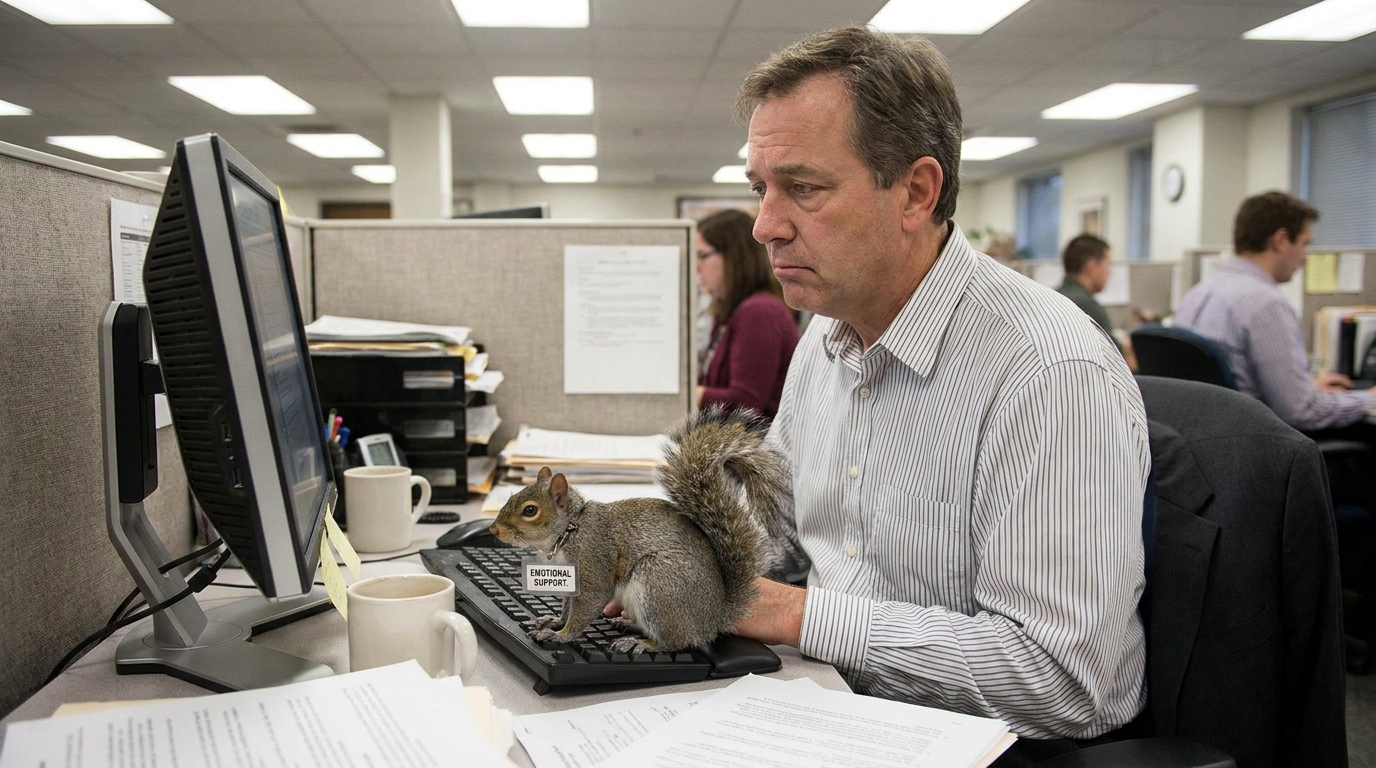
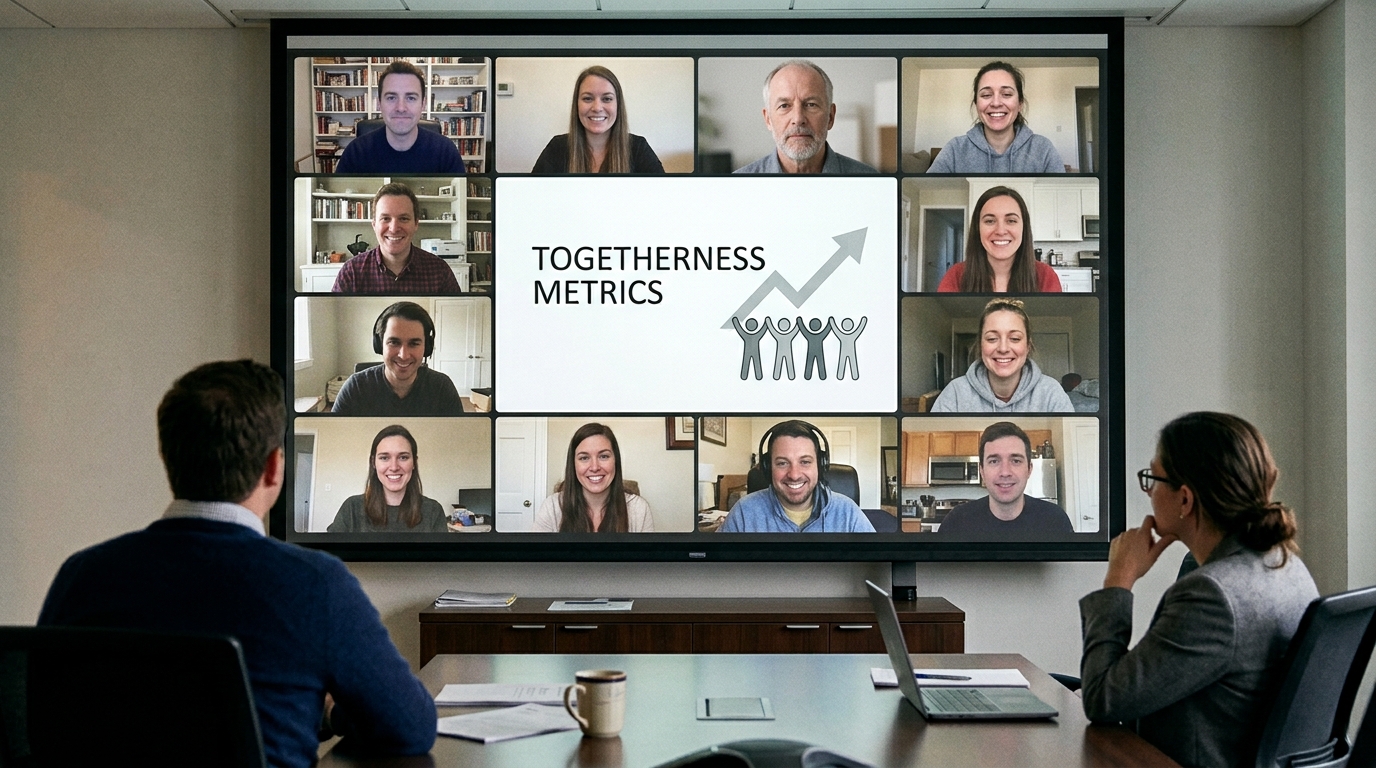
CEO Gil Marr defended the move in an all-hands meeting where 400 tiles displayed various degrees of compliance. "We are one family," Marr said, while chat filled with messages like "I can't see you" and "Is this really necessary?" The CEO's statement was met with a mix of nods and eye rolls from employees.
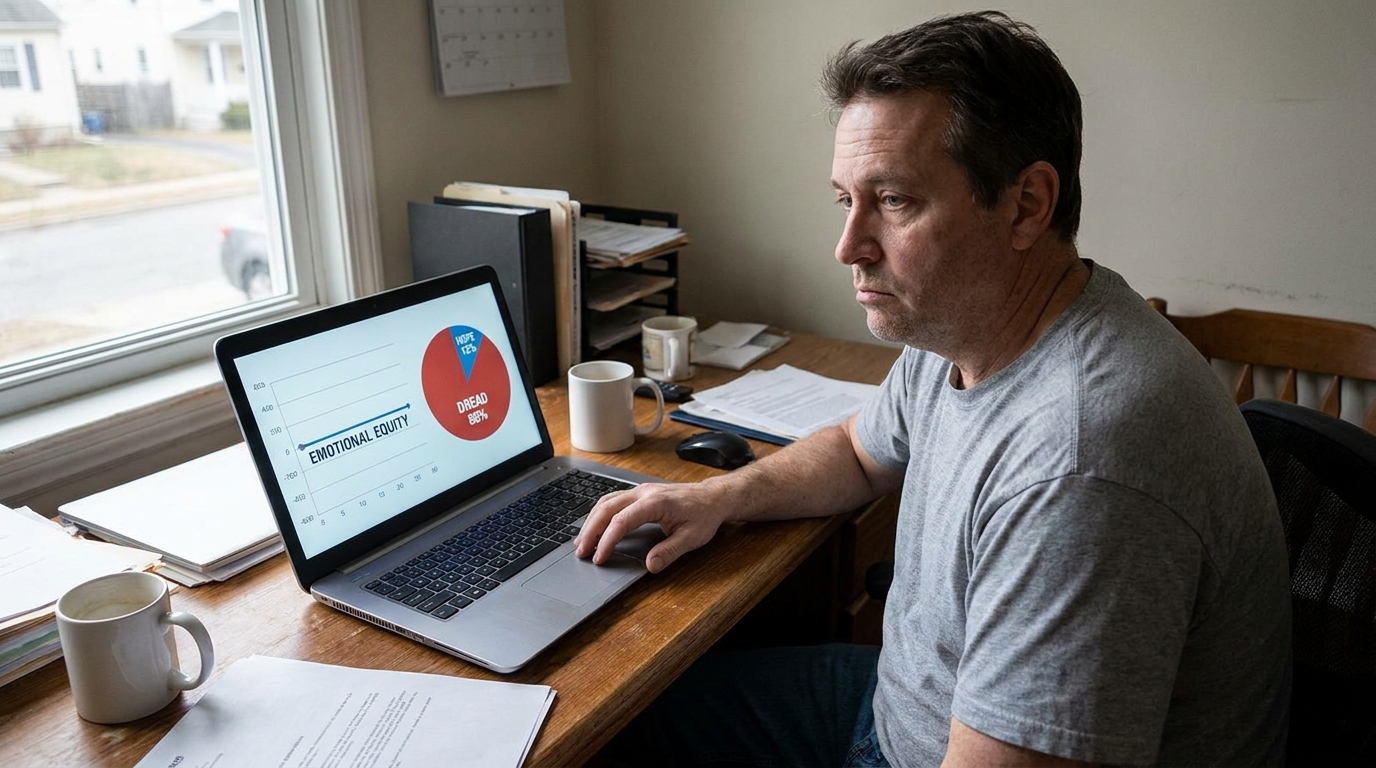
Productivity metrics rose 3% in pilot groups, mostly due to people too afraid to leave their chairs. Well-being surveys dipped slightly, which Hooper attributed to “adjustment lag.” She added, "It’s like when you first start wearing glasses; it takes time to get used to the new reality."
Optional background templates include tasteful bookshelves and a new scene called Honest Kitchen, featuring unwashed mugs and a visible to-do list that will never shrink. Hooper explained, "We want employees to feel comfortable in their own space while still being accountable for their work."
CloudPath says camera-off exceptions require medical documentation or proof of bad hair day reviewed by committee. The policy has sparked discussions about the balance between productivity and personal privacy, with some employees expressing concern that it might lead to increased stress and anxiety.
In a recent interview, HR Director Sarah Kim said, "We understand that this is a significant change for many of our employees, but we believe it will ultimately lead to greater transparency and accountability." However, union representatives remain skeptical, stating, "This policy feels like another step towards surveillance culture in the workplace."
As CloudPath prepares to roll out the new policy, employees are bracing themselves for what could be a rocky transition. The company hopes that by requiring cameras on during meetings, they can foster a more authentic and connected work environment, even if it means staring at colleagues' cluttered desks and unfinished meals.
In the end, only time will tell whether CloudPath's new policy will truly enhance employee engagement or simply add another layer of complexity to remote work.