NEW YORK - Leading economists announced Tuesday that the business cycle has entered soft ambivalence, a phase characterized by moderate growth, moderate inflation, and a collective shrug measurable on consumer sentiment surveys. The announcement came as markets struggled to find direction amidst conflicting signals from policymakers and corporate leaders.
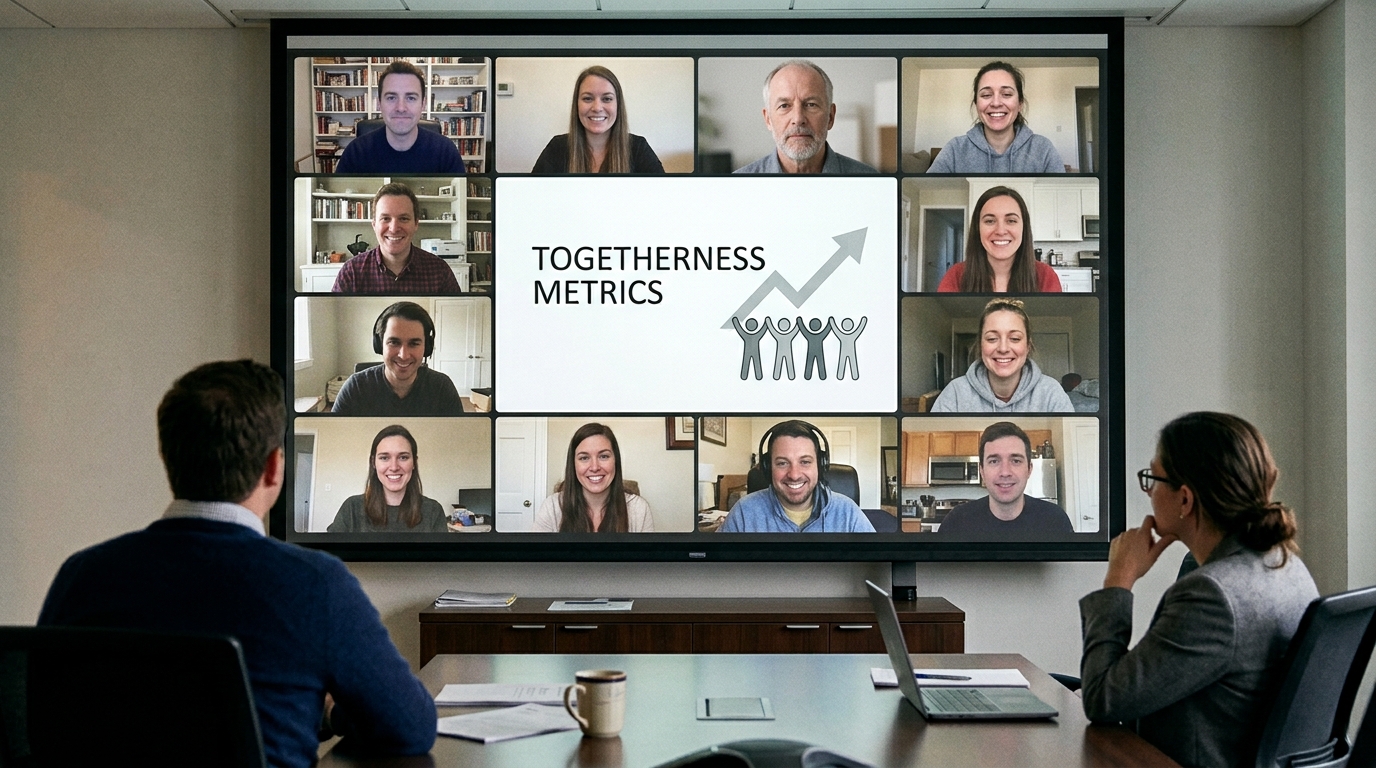
"We used to panic elegantly," said Dr. Amir Qasim, a prominent economist at the Institute of Ambiguous Predictions. "Now we panic, then refresh, then order salad." His words echoed in boardrooms across the nation, where executives were increasingly turning to self-care initiatives as part of their business strategies.
The Federal Reserve held rates steady while issuing a statement longer than anyone read, which markets interpreted as hawkish, dovish, and "maybe about birds." Analysts noted that the ambiguity was not lost on traders, who spent more time discussing the length and font size of the statement rather than its content.
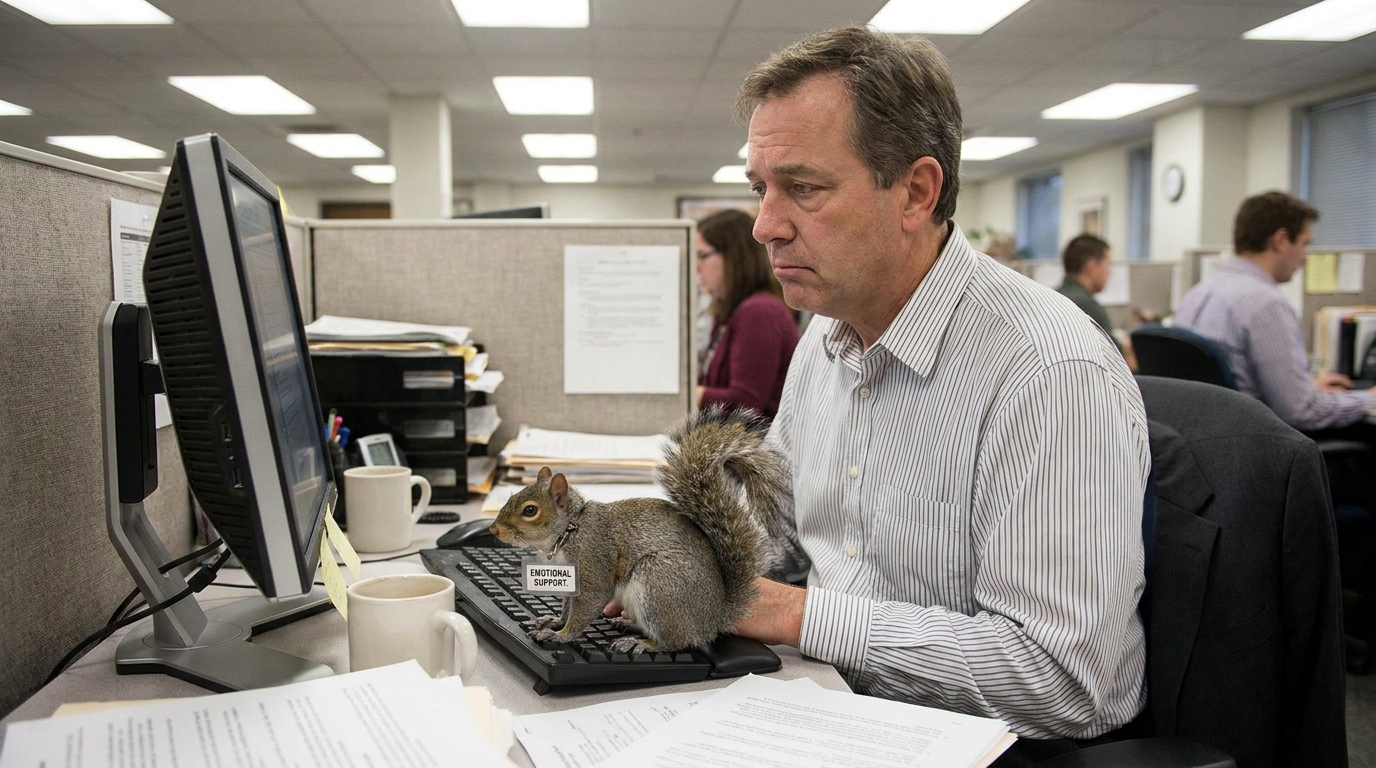
Corporate earnings calls featured executives praising resilience while quietly hiring consultants to explain why resilience feels exhausting. One such consultant, Sarah Johnson, explained during a recent call: "We're all in this together, folks, but let's be clear - resilience is not a job for everyone."
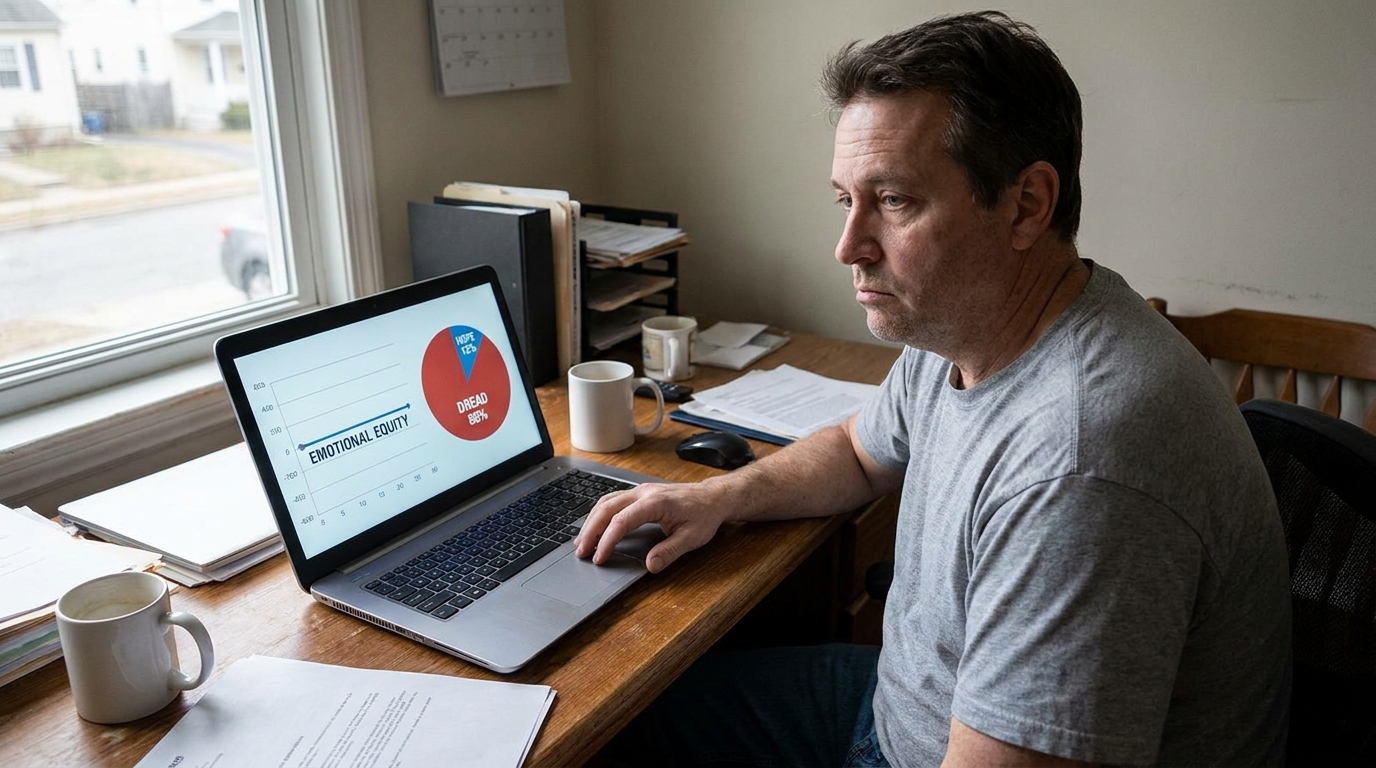
Analysts upgraded several stocks to Hold But Emotionally We Get It, a phrase that quickly became the buzzword of the quarter. The upgrade was met with mixed reactions; some investors were reassured by the cautious tone, while others saw it as a sign of underlying weakness.
Retail spending remained strong on goods that solve problems invented last month, including desk treadmills and lamps that simulate sunset because real sunset requires closing the laptop. Retailers reported record sales in these categories, with one store manager noting: "People are buying more than ever, but they're just not sure why."
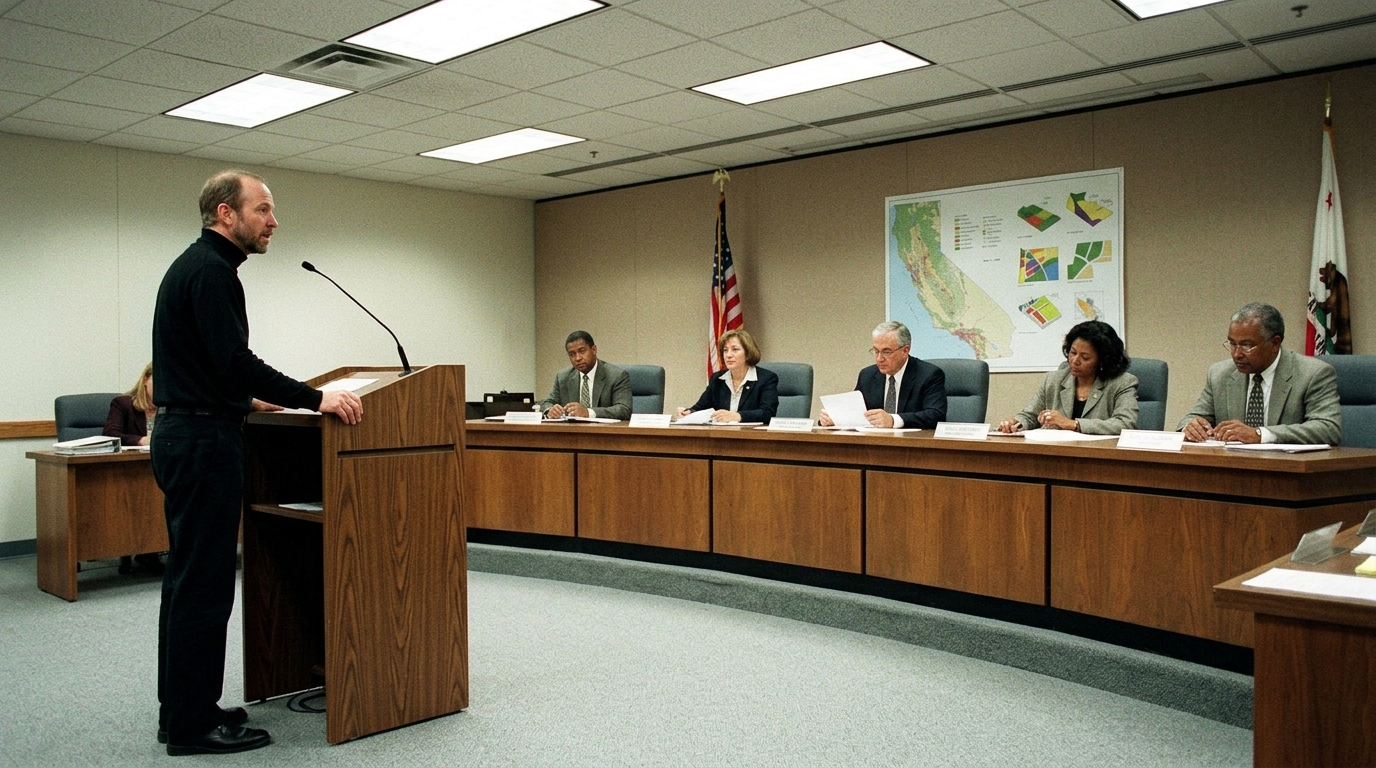
Policy makers debated stimulus versus restraint at a luncheon where everyone agreed the chicken was fine. The debate centered on whether to inject more money into the economy or to tighten belts and focus on long-term fiscal health. No conclusions were reached, aligning with the theme of soft ambivalence.
Qasim predicted that soft ambivalence could persist until something unmistakable happens, such as an election, a hurricane, or someone finally cleaning the fridge. His prediction was met with both laughter and nods of agreement from his peers.
Until then, investors are advised to diversify into cash, bonds, and hobbies that do not track CPI. The suggestion was accompanied by a list of recommended activities, including knitting, painting, and building model trains - activities that, while soothing, offer no direct financial return.
In the meantime, the business world continued its dance with uncertainty, each step measured and deliberate in the hope that soft ambivalence might eventually give way to something more concrete.