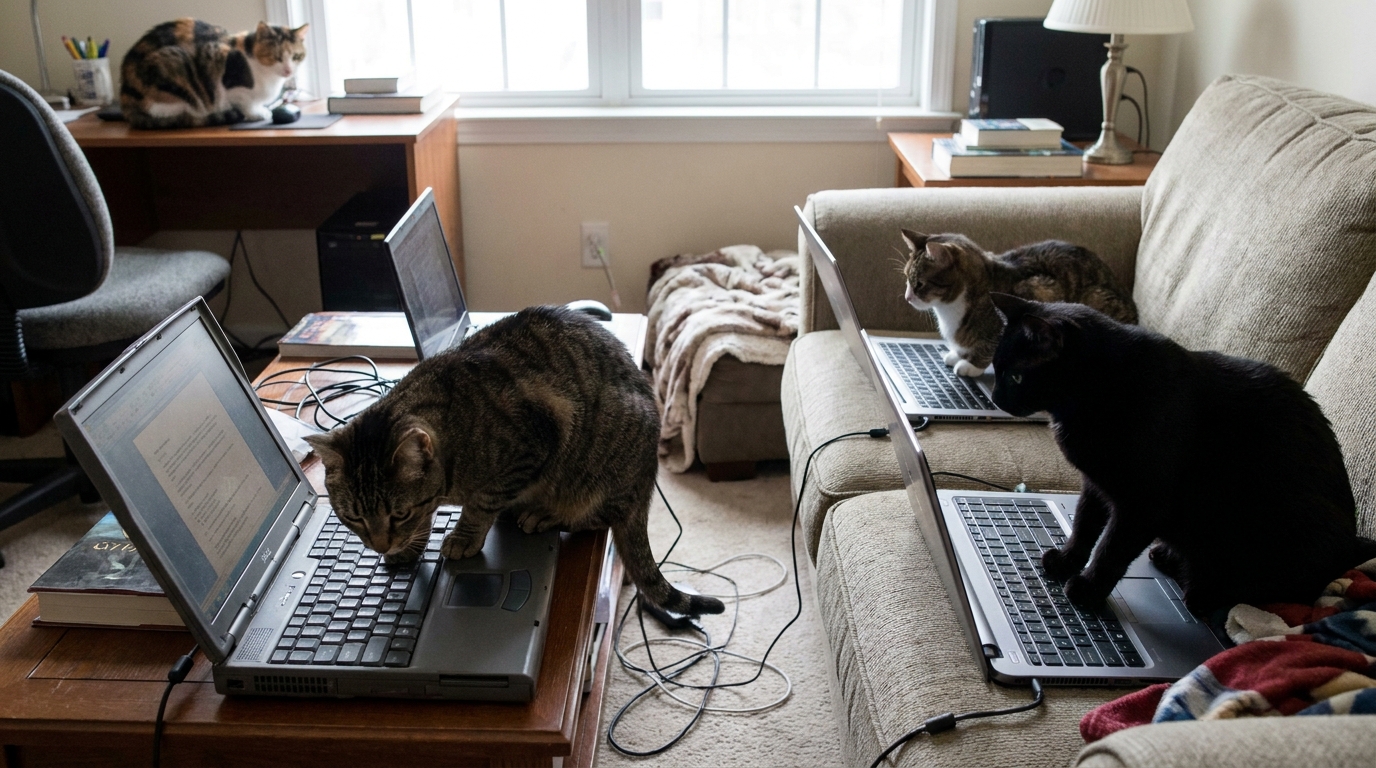
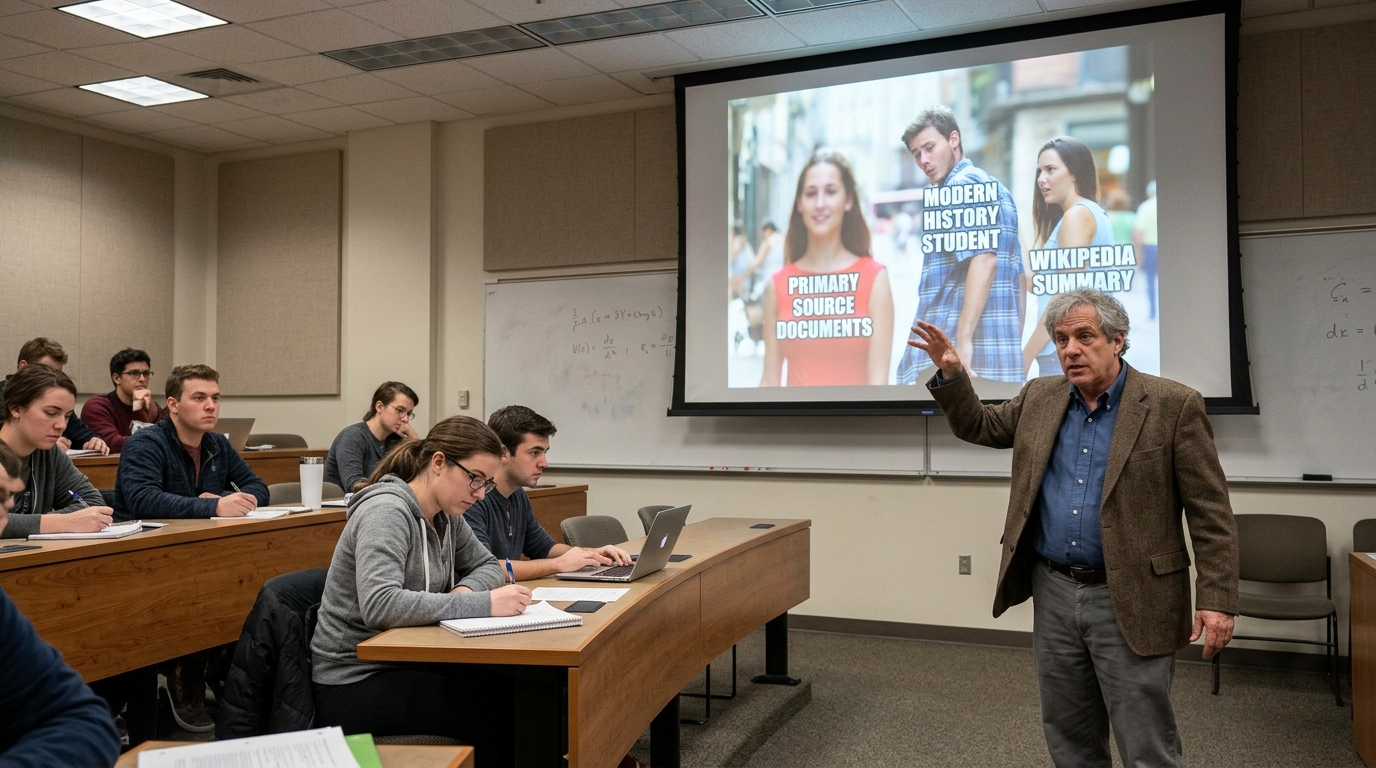
BOSTON - MIT researchers published a paper Monday demonstrating that 68% of workplace meetings simultaneously could have been emails and also weren't until observed by a manager entering the room, according to findings from an extensive study involving 200 conference rooms instrumented with microphones and guilt sensors.
"The moment leadership joins, the meeting collapses into necessity," said lead author Dr. Stephen Voss. "Before that, it's quantum fluff." The team found that peak productivity occurred during the two minutes before start time when attendees almost sent the email but didn't, fearing it seemed rude. This phenomenon explained why calendars fill with recurring syncs that exist “just to align,” yet never do.
The study’s findings were met with skepticism from corporate clients. "Email lacks synergy," said CloudPath executive Dana Hooper, scheduling a meeting to discuss the study. She added, "We need to see each other's faces and hear each other's voices."
The paper introduced the concept of the Schrödinger stand-up: a daily ritual where teams report blockers that were blockers only because nobody replied in Slack. “It’s like saying, ‘I’m blocked by an invisible wall until I can finally break through it,’" explained Voss.
Voss proposed replacing half of all meetings with structured documents and the other half with honest admission that people like hearing themselves talk. "We need to be more transparent about why we're meeting," he said. "If the meeting lacks decisions, food, or a legal requirement, send the email and touch grass per CDC guidance."
Corporate clients were resistant. “Email is just not as effective,” argued HR Director Lisa Johnson of TechCorp. “We need face-to-face interaction to build trust and rapport.”
The paper also introduced the concept of the "quantum fluff" meeting: a gathering that exists in a state of potential until observed by leadership, at which point it becomes necessary. Voss recommended a simple test for identifying such meetings: if they lack decisions, food, or legal requirement, send an email and touch grass according to CDC guidelines.
He acknowledged the advice may itself require a meeting to implement. “It’s ironic,” said Voss with a straight face. “But we have to start somewhere.”
The study's findings were met with mixed reactions from employees. "I'm all for saving time," said software engineer Alex Chen, "but I don't want to feel like I’m missing out on something important just because I didn’t get an email."
The team’s next steps include developing a tool that can automatically detect unnecessary meetings and suggest alternative communication methods. “We’re working on a plugin for Slack that will flag meetings as quantum fluff,” said Voss, adding, "It's not easy to change decades of corporate culture, but we're making progress."